

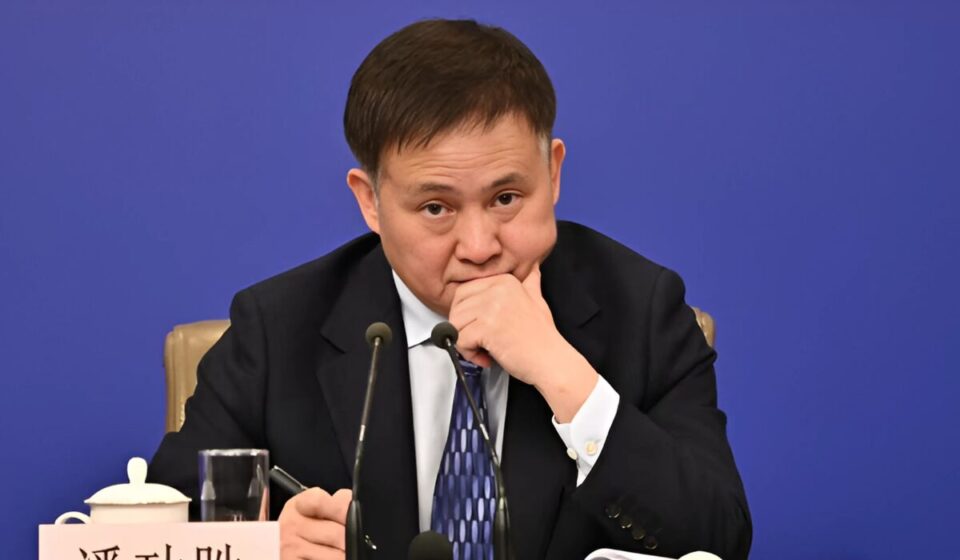
On May 20, 2025, the People’s Bank of China (PBOC) reduced its benchmark lending rates for the first time since October 2024, aiming to bolster the slowing economy amid ongoing trade tensions with the United States.
The PBOC lowered the one-year Loan Prime Rate (LPR) by 10 basis points to 3.0% and the five-year LPR to 3.5%, marking the lowest levels since the LPR system was revamped in 2019. These rates serve as key references for corporate loans and mortgages, respectively.
In tandem, major state-owned banks, including the Industrial and Commercial Bank of China, Agricultural Bank of China, China Construction Bank, and Bank of China, reduced deposit interest rates by 5 to 25 basis points across various maturities. For instance, the one-year fixed-term deposit rate was lowered to 0.95%.
These measures are part of China’s broader strategy to stimulate consumption and loan growth while safeguarding commercial lenders’ profit margins. The rate cuts coincide with a 90-day pause in tariff escalations between China and the U.S., providing some respite amid trade uncertainties.
Despite a 5.4% GDP growth in the first quarter, challenges persist, including stagnant home prices and declining bank loan growth. Analysts suggest that without more substantial stimulus, achieving the 5% annual growth target may be difficult.
The PBOC’s actions aim to stabilize credit flows and consumption while balancing the risks of overextending monetary policy. However, experts caution that these modest reductions may not be sufficient to revitalize demand or economic activity, indicating the potential need for additional fiscal support.
These developments reflect China’s ongoing efforts to navigate economic headwinds and maintain stability amid global uncertainties.
