

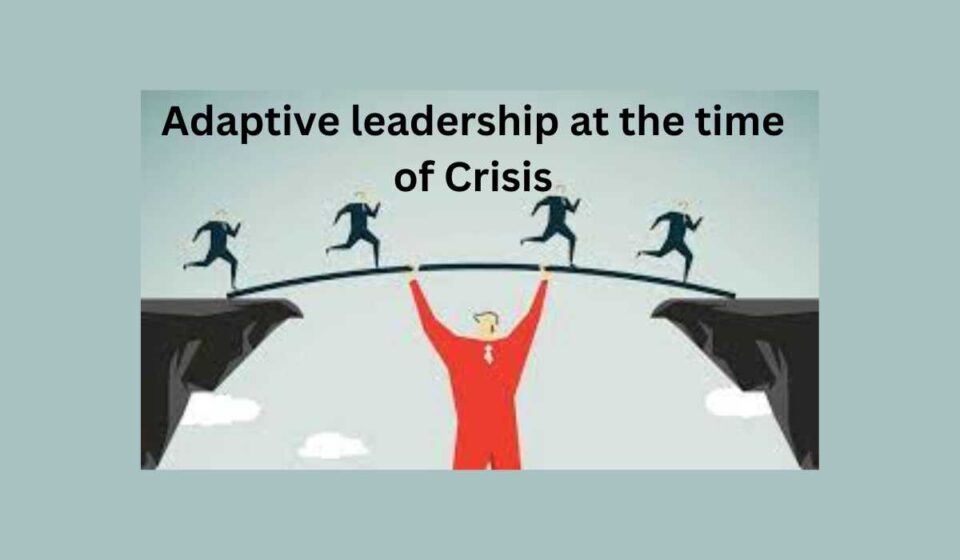
Throughout history, business leaders have been tested in times of crisis, revealing the power of adaptive leadership in navigating adversity. One notable example is Henry Ford’s shift to wartime production during World War II, when he retooled factories to support the war effort. Ford’s quick pivot allowed his company to become a major defense contractor, producing planes and military vehicles that cemented his company’s resilience and reputation. This transformation not only contributed to the Allied effort but also redefined Ford as a company adaptable to global needs, ensuring a lasting positive impact on public perception and long-term growth.
More recently, during the COVID-19 pandemic, many CEOs faced unprecedented challenges requiring swift, innovative solutions. Leaders such as Satya Nadella at Microsoft and Brian Chesky at Airbnb displayed transformative decision-making that kept their companies afloat and relevant. Nadella accelerated Microsoft’s pivot to cloud-based services to support remote work, rapidly scaling Microsoft Teams and Azure to unprecedented levels, which ultimately boosted Microsoft’s market position. Meanwhile, Chesky took bold measures at Airbnb, cutting costs and refocusing on the company’s core community values, which allowed Airbnb to recover more quickly than anticipated, even going public amid a turbulent market.
Comparing historical and modern crisis responses reveals a common thread: visionary leaders focus on flexibility and clear communication. Ford’s commitment to purpose and adaptability laid the groundwork for his company’s long-term success, while modern CEOs have leveraged technology and digital transformation to meet current challenges. Unlike Ford’s era, today’s leaders can use digital tools to streamline operations and communicate in real time, enhancing their ability to implement strategies that protect employees and sustain customer relationships.
In addition to adaptability, empathy has emerged as a crucial trait among contemporary leaders facing crises. During the pandemic, CEOs such as Dan Schulman of PayPal emphasized employee well-being alongside financial health, recognizing that taking care of the workforce translates to a stronger business recovery. This people-centric approach has proven beneficial in building trust and resilience within organizations, showing that leaders who prioritize employee support can foster loyalty, morale, and productivity—even in challenging times.
As these cases demonstrate, leadership in times of crisis requires a blend of innovation, adaptability, and empathy. The ability to pivot quickly while staying true to core values allows businesses not only to survive but to thrive. By examining both past and present examples, we see that transformative leadership is about embracing change, valuing people, and maintaining a clear vision—qualities that will remain essential as future crises inevitably unfold.
