

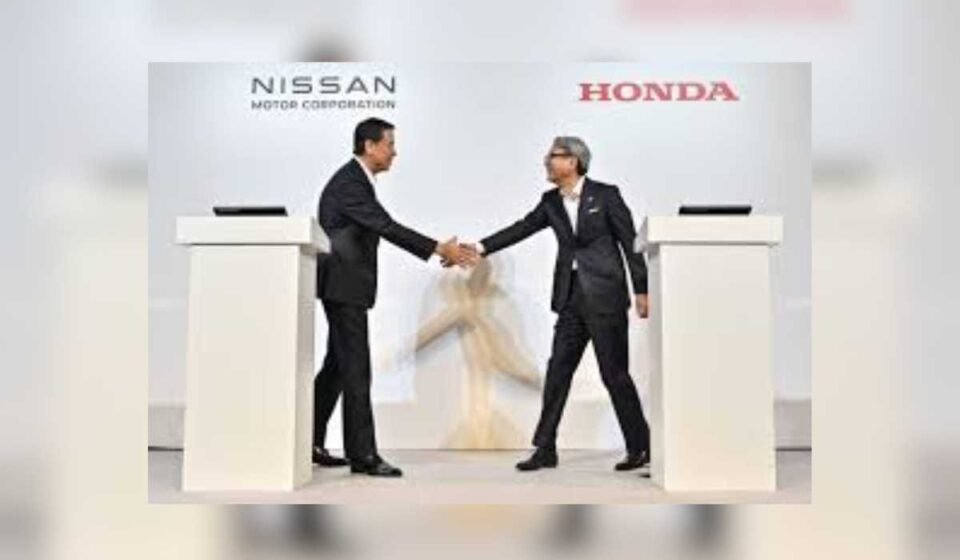
In a move that could reshape the global automotive landscape, Honda Motor Co. and Nissan Motor Co. are reportedly considering a merger, according to sources familiar with the matter. This deal, if finalized, would consolidate much of Japan’s auto industry into two dominant factions: one led by Honda, Nissan, and Mitsubishi, and the other by Toyota and its affiliated companies. The potential merger reflects the companies’ growing need to remain competitive in a rapidly evolving global market.
The merger would create a unified competitor capable of directly challenging Toyota’s dominance in the industry. Both Honda and Nissan have long competed with Toyota in the domestic and international markets but have struggled to match its scale and innovation in areas like electric vehicles and autonomous driving. By pooling resources, the combined entity could accelerate investments in next-generation technology and achieve greater efficiency in production and distribution.
A Honda-Nissan partnership could also help both companies weather external pressures, such as rising development costs, stricter environmental regulations, and shifting consumer preferences. The global push toward electrification and sustainable mobility has required automakers to make substantial capital investments in research and development. A merger would allow the companies to share these costs and better compete with larger global players like Volkswagen and Tesla.
The deal would also mark a significant change in the dynamics of the Japanese auto industry. While Nissan already has a partnership with Mitsubishi Motors, Honda has traditionally operated independently. The proposed merger would not only align these automakers strategically but also strengthen Japan’s position in the global automotive sector. Industry analysts believe such a consolidation could pave the way for more innovation and greater market reach.
However, the merger is still in its early stages, and significant challenges remain. Integrating two major automakers with distinct corporate cultures, leadership structures, and operational systems is a complex process. Furthermore, regulatory approval in Japan and other major markets could pose hurdles. Nevertheless, if successful, the merger could redefine the competitive landscape of the auto industry, creating a stronger, more agile contender to Toyota’s supremacy.
